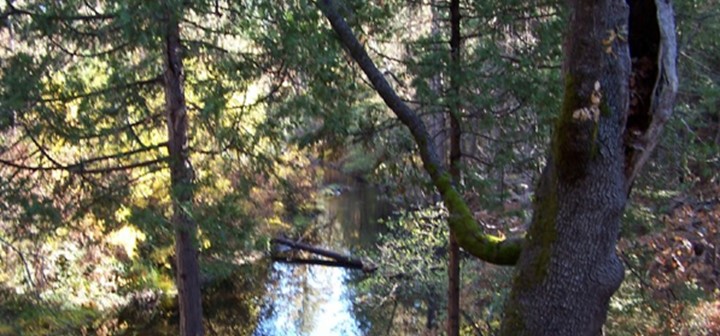

Leave a Snag or Two
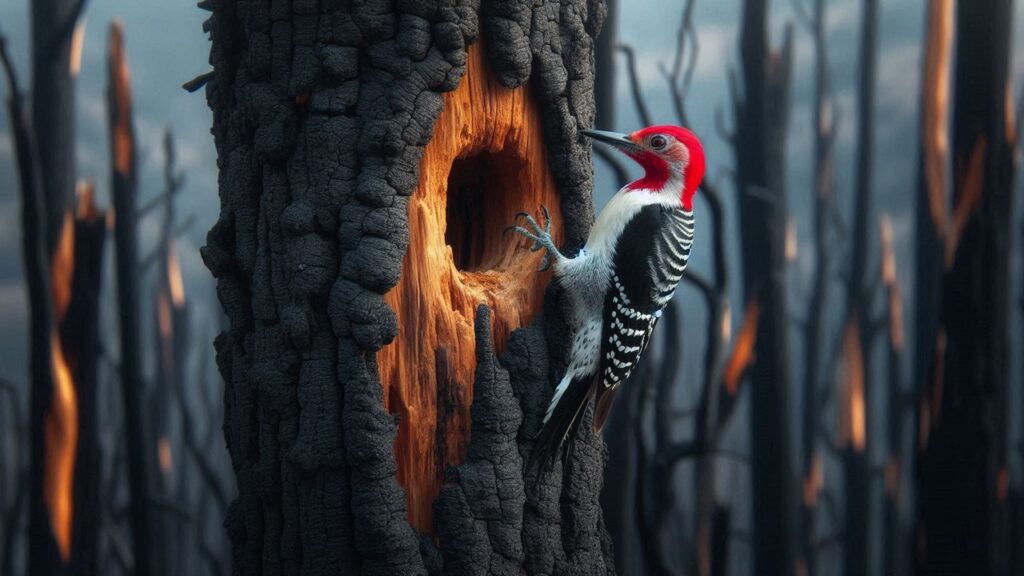
My daughter pointed out the Woodpecker on the remains of a burned tree after a Tuolumne County fire near our old cabin. A bright spot in a primarily black landscape. Snag is not a pretty word but, for some fire survivors, it’s home sweet home. There are many reasons to leave a snag (or a few if your property is larger) after a wildfire.
- Birds and bees will be able to move back in soon. The birds may even help with replanting. The bees will take care of the plants. Working for you!
- As the snags decompose and feed the soil, they feed and support new plant growth. Nature has a wonderful way of knowing the right things to do.
- Even though the tree is dead, surviving roots help prevent erosion. If the roots burned, they may provide paths for the trees you plant after the fire.
- The snag is feeding an entire system under the ground that breaks down dead organic matter and rebuilds soil and nutrient availability.
- The slow decomposition of the snag works with the faster decomposition of surface composts and mulch to store carbon.
Snag may be an ugly sounding word but it’s capable of beautiful contributions to the recovery of your land and your spirit. Don’t just leave a snag; love them for all they can do. This is a place where love ‘em and leave ‘em is a very good thing,